Fractional CMO Onboarding: The First-Week Handoff Plan
Day nineteen. The founder opens a status note from his new fractional CMO: still waiting on Google Ads access, still waiting on the CRM export, and can you confirm whether the webinar page is approved to go live. Two of those three were in last week’s note as well. The hire itself had gone well. Real references, a sharp diagnostic call, a track record he actually checked. And nineteen days into a six month engagement, the most expensive person attached to his company had spent most of a month waiting on him. This is where fractional CMO onboarding quietly fails, and the founder is always the last to notice.
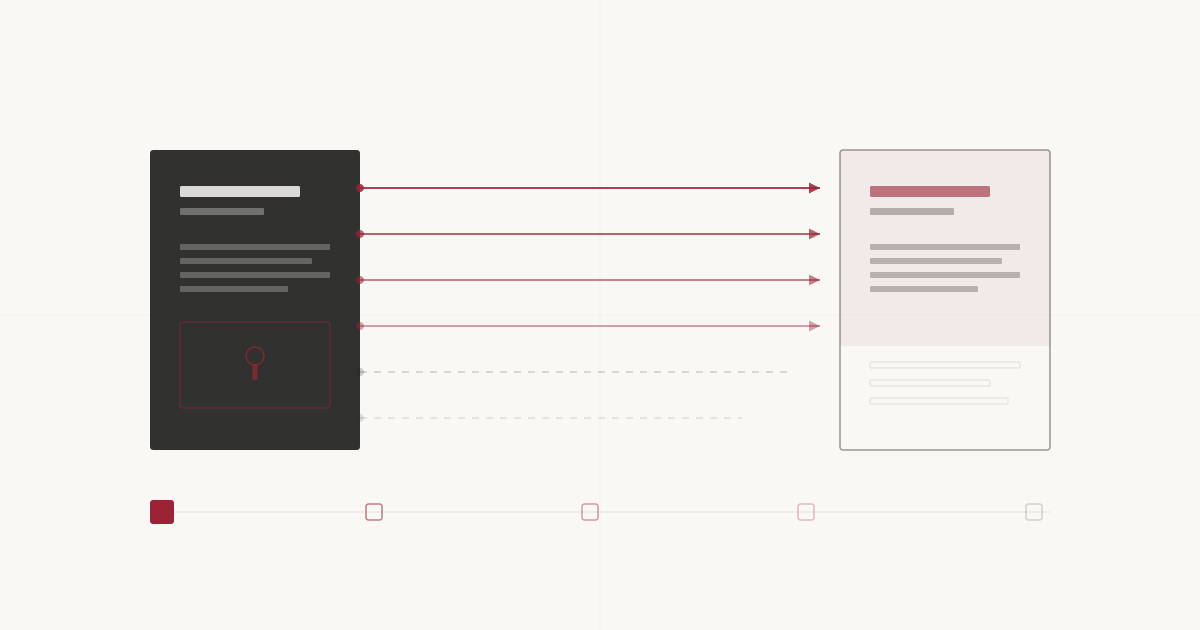
Fractional CMO onboarding is the founder’s job, not the CMO’s. The engagement clock starts on day one whether or not the doors are open, so the first week has to transfer three things: system access at the right permission level, the business context that currently lives only in your head, and explicit decision rights that let work ship without you. A structured first week does in five days what osmosis takes a quarter to do. Everything a senior operator can do for you is gated behind how fast you hand those three things over.
He did everything right in the hiring, and if you are still at that stage, how to hire a fractional CMO is the process he ran. So where did the month go? It went to a belief that sounds like good management: I hired senior precisely so I would not have to manage them, and someone at that level will figure it out. Here is the crack. Seniority replaces supervision. It does not replace context, and it cannot manufacture a login. Autonomy without access is not autonomy, it is expensive waiting. The brief you wrote before the hire is the content of the handoff, and if you have not written one, a proper fractional CMO brief is the place to start. This post is the delivery of it.
Why fractional CMO onboarding fails
Fractional CMO onboarding almost never fails on the CMO’s side. It fails on three founder-side bottlenecks: access lag, context that exists only in the founder’s head, and decision rights nobody defined. A senior operator can compensate for a messy business, a thin team, and a broken funnel. None of that seniority opens an ad account they were never added to.
It goes unnoticed because the failure looks like patience. Your CMO is too professional to escalate a missing login into a crisis, so it arrives as a polite line at the bottom of a status note. The invoice, meanwhile, is identical to the one for a month where everything moved. You are not paying for output in month one, you are paying for diagnosis, and diagnosis runs on access and context. Starve it of either and you have bought the most expensive waiting room in your company.
Before day one: the access checklist
Grant every system access before the kickoff call, not after it, and grant it at owner or admin level wherever the platform and your legal obligations allow. Read-only access produces a CMO who can describe your problems but not fix them.
The systems are the easy part: analytics, every ad account, the CRM, the email platform, the CMS, billing visibility on marketing spend, past campaign reports, and brand assets. The brief covers how to inventory those. What founders get wrong is not the list but the three properties around it.
Permission level. Viewer access is a trap. A CMO who can see a campaign wasting money but needs a ticket to pause it spends week two writing requests instead of fixing things. Where compliance genuinely limits you, say so and name who executes on their behalf.
Timing. Access granted on day one means day one goes to provisioning instead of diagnosis. Send the invitations the week before, so the kickoff happens with every door already open.
A named human. Every platform needs one person who can grant access and knows they are on the hook. “Ask the agency” is not a name. The most common cause of a slow fractional CMO first month is an access request bouncing between three people who each assume someone else owns it.
The context transfer: what to document and what to say live
Split the context transfer in two. Anything factual gets written down before the engagement starts. Anything political, instinctive, or uncomfortable gets said out loud in a room, because it will never survive being typed.
Write down the positioning history and why it changed, every channel you have tried with real numbers and your read on why it failed, your customer segments, and the objections your sales conversations keep hitting. Written context is durable and searchable, and it does not degrade the way a verbal answer in meeting four does.
Say the rest live. The market instincts you cannot yet defend with data. The sacred cows, meaning the channel or agency that is politically protected and why. The real reason the last marketer left, not the version in the announcement. Whether you actually trust your own numbers. None of this appears in any document, and a good operator builds a different plan once they know it. Founders hold it back out of embarrassment, then pay a senior rate to have it rediscovered in week five.
Decision rights: agree what they decide without you
Before work starts, write down what your fractional CMO can decide alone. At minimum: a budget threshold they can spend up to without asking, publishing rules covering what ships without your review, and authority to hire, brief, and fire freelancers and agencies inside an agreed budget.
Pick real numbers. “Use your judgment” is not a decision right, it is a trap with your approval still inside it. One threshold, anything under a set monthly figure ships without you and anything above arrives with a recommendation, replaces a week of back and forth. Do the same for publishing: if every post, ad, and landing page needs your review, throughput is capped at your inbox, and that cap does not move no matter who you hired.
Here is the test. If every decision routes through you, you have bought an advisor at executive rates. Owning decisions rather than recommending them is the core of what a fractional CMO does, so withholding that authority removes the exact thing you are paying for. Advisory is a legitimate arrangement, but it costs a fraction of what you are paying, and the mismatch is a clear sign you were not ready to hire. Check yourself against the six situations where you should wait before assuming the problem is the CMO.
The first-week cadence
Run one kickoff on day one, then a fifteen minute check-in every day for the rest of week one, then stop. The dailies exist to clear blockers, not to supervise, and they must die at the end of the week.
Day one is the kickoff: ninety minutes, the live context transfer, and confirmation that every access request landed. The four days after are short, standing, and have one agenda: what are you blocked on, and who do I call today to unblock it. Most run six minutes. Their purpose is to compress an access problem from a five day email thread into a same day fix.
Then they end. A daily that survives into week three has stopped unblocking and become supervision, which is the thing you were explicitly not buying. From week two, one substantive weekly call is the right cadence for working with a fractional CMO, with a written update carrying everything that does not need a conversation.
Onboarding anti-patterns
Four founder behaviors reliably waste month one, and all four feel productive from the inside.
The day one task dump. Forty items in a shared doc before the diagnosis has started. It converts a strategic hire into a queue worker and guarantees the important work gets sequenced behind whatever you happened to type first.
Making them chase access. Every login your CMO has to request twice is a signal about how the rest of the engagement will go, and good operators read that signal early.
Treating month one as a silent trial. Withholding context to see what they work out unaided tests how fast someone reconstructs facts you already have. You pay for the reconstruction either way.
Re-litigating strategy every call. Reopening the agreed direction weekly means nothing compounds. Change course when evidence arrives, not when the discomfort of having committed arrives.
How you know the onboarding worked by day 30
Three signals tell you the handoff landed. Something real shipped in week two, decisions stopped landing in your inbox, and you learned something about your own funnel you did not previously know.
The last is the strongest. A founder who learns nothing surprising in month one either hired someone not looking hard enough or never opened the doors wide enough for them to see anything. Uncomfortable findings are the receipt for a successful handoff.
Shipping in week two is not a demand for campaigns. It means a visible artifact exists: a paused budget line, a rewritten headline, an attribution fix. The deep diagnostic runs underneath it, and the CMO’s own side of this month is a different sequence entirely, which I mapped in the first 30 days with a fractional CMO.
What the founder from day nineteen did next
He ran it again, deliberately, in five days. Access at admin level before the call, a named person per platform. Ninety minutes of live context including the two things he had been too embarrassed to write down. A spending threshold and a publishing rule, both with real numbers. Daily fifteen minute unblocking calls that ended on Friday as promised. Inside nine days his CMO found a retargeting campaign that had been running against a dead audience since March.
The lesson he took from it is the one worth keeping. In month one your job is not to direct your fractional CMO. It is to make yourself unnecessary as a bottleneck, as fast as you possibly can, and then get out of the way and let the person you hired do the thing you hired them for.
FAQ
How long does fractional CMO onboarding take?
The founder’s side of onboarding should take one structured week, not a month. Access is provisioned before day one, the live context transfer happens in a single ninety minute kickoff, decision rights are agreed in writing that same week, and daily unblocking calls run for four days and then stop. The CMO’s diagnostic continues for the rest of the month, but the handoff that enables it is a five day job. Engagements where onboarding stretches past two weeks are almost always waiting on the founder rather than the CMO.
What access does a fractional CMO need on day one?
They need it before day one, at admin or owner level, with a named person accountable for each platform. The permission level matters more than the list: a CMO with view-only access can describe what is broken but cannot fix it, which converts week two into a queue of approval requests. Where compliance genuinely prevents full access, say so up front and name who executes changes on their behalf, so nobody discovers the limitation mid-diagnosis.
How much founder time does onboarding a fractional CMO require?
Roughly four hours in week one. Ninety minutes for the kickoff and live context transfer, about an hour total across four fifteen minute daily check-ins, and the rest on access provisioning and writing down decision rights. It drops to a single weekly call from week two. Founders who cannot find four hours in the first week generally should not start the engagement that week, because the time gets spent regardless, just less efficiently and at a senior hourly rate.
What decisions should a fractional CMO make without me?
Spending below an agreed monthly threshold, publishing inside agreed brand and messaging rules, and hiring, briefing, or replacing freelancers and agencies within budget. Anything that changes pricing, alters positioning, or commits the company externally should come to you with a recommendation attached. The precise thresholds matter less than the fact that they are written down as numbers, because vague authority defaults to asking permission, which caps output at your response time.
How do I know if fractional CMO onboarding worked?
By day 30 you should see three things: a real artifact shipped in week two, decisions no longer queuing in your inbox, and at least one genuinely surprising finding about your own funnel. The surprise is the most reliable of the three, because it proves both that your CMO looked hard and that you gave them enough access to see something you could not. If month one produced only agreeable observations, either the doors never fully opened or nobody looked hard enough.

If this sounds like where you are right now, book a free 15-minute diagnostic. No pitch. Just an honest look at your marketing.